
12 giờ trước Chia sẻ Bộ khung chính cố định qua nhiều trận đấu tạo nên hai quan điểm trái chiều xoay quanh U17 Việt Nam. Người hâm mộ cũng hy vọng chiến lược gia Brazil sẽ tạo đột biến về cách dùng người trong trận then chốt hướng tới tranh vé dự U17 World Cup 2026.
Phía sau đội hình cố định của U17 Việt Nam
- Xem trực tiếp U17 Việt Nam vs U17 UAE,ệtNam câuhỏichờthầyRolandgiảiởtrậntranhvéWorldCup 0h00 rạng sáng 14/5 ở đâu, kênh nào?
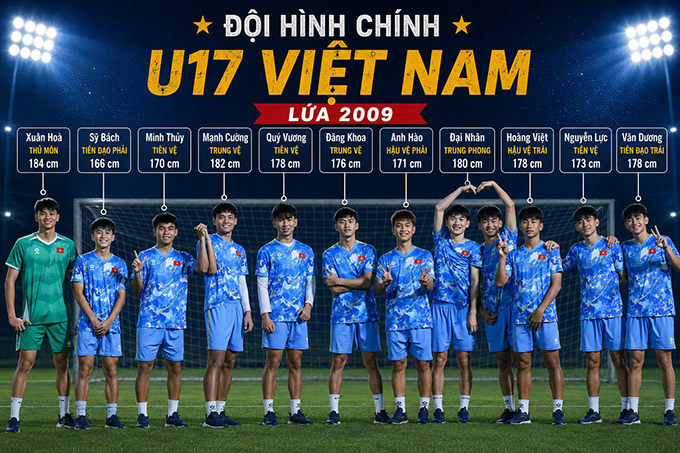
Tính trong 5 trận quan trọng gần nhất, bao gồm các màn so tài với Indonesia, Australia, Malaysia tại giải U17 Đông Nam Á 2026 hay Yemen, Hàn Quốc ở U17 châu Á đang diễn ra ở Saudi Arabia, HLV Cristiano Roland chỉ sử dụng một đội hình xuất phát. Từ chỗ xa lạ, người hâm mộ bắt đầu nằm lòng lực lượng được xây dựng dựa trên sơ đồ 4-1-4-1 như: Thủ môn Xuân Hoà; bộ tứ hậu vệ Anh Hào, Mạnh Cường, Đăng Khoa, Hoàng Việt; 3 tiền vệ trung tâm Nguyễn Lực, Minh Thuỷ, Quý Vương hay mũi đinh ba Đại Nhân, Sỹ Bách, Văn Dương.
Phải khẳng định, bộ khung này tạo được sự ăn ý trong cách vận hành chiến thuật của HLV Roland. Triết lý chơi bóng mà nhà cầm quân này xây dựng cũng được 11 cái tên này áp dụng đầy thuần thục, từ cách gây sức ép tầm cao, thực hiện những đường chuyền xuyên tuyến ra hai biên để xuyên phá phòng ngự đối thủ, thu hút hậu vệ đội bạn, mở khoảng trống cho đồng đội khai thác… Những bàn thắng mà U17 Việt Nam có được trong 5 trận quan trọng vừa qua đa phần đến từ bộ khung đội hình chủ lực mà HLV Roland dày công định hình trong khoảng gần 1 năm trở lại đây.
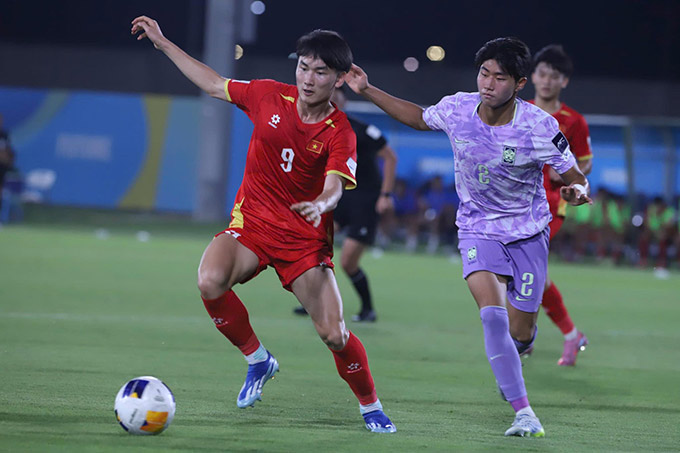
Dẫu vậy, việc sử dụng liên tục một đội hình xuất phát cũng có những tác động không mong muốn với U17 Việt Nam. Điều dễ thấy rõ nhất chính là sự suy giảm thể lực của nhiều gương mặt. Gần nhất trong trận thua ngược đáng tiếc trước U17 Hàn Quốc, Văn Dương, Sỹ Bách hay Đại Nhân buộc phải rời sân ngay sau khi hiệp 1 khép lại.
Hàng hậu vệ cũng không thể duy trì sự tập trung và cứng cáp khi mật độ thi đấu diễn ra liên tiếp. Việc để U17 Hàn Quốc liên tục ghi bàn trong 10 phút cuối trận cũng một phần đến từ sức bền bị ảnh hưởng, bên cạnh tâm lý dao động sau khi để đối phương từ thế thua thành thắng.
Chờ thêm nhân tố phụ tạo đột biến
Nhìn từ sau thất bại trước U17 Hàn Quốc, giới chuyên môn tin rằng HLV Cristiano Roland sẽ có sự thay đổi trong đội hình ra quân gặp U17 UAE, hòng không cho đối thủ nắm bắt được những ưu, nhược điểm ở từng cầu thủ hay cách vận hành của U17 Việt Nam.
Chuyên gia Dương Vũ Lâm, cựu Trưởng đoàn U23 Việt Nam tại VCK U23 châu Á 2018 cũng cho rằng U17 Việt Nam cần tính toán kỹ càng bài toán ở đội hình thi đấu, phân phối sức phù hợp, chọn cách nhập cuộc thận trọng thay vì đông công, dẫn tới bị bào mòn thể lực ngay trước giờ nghỉ.
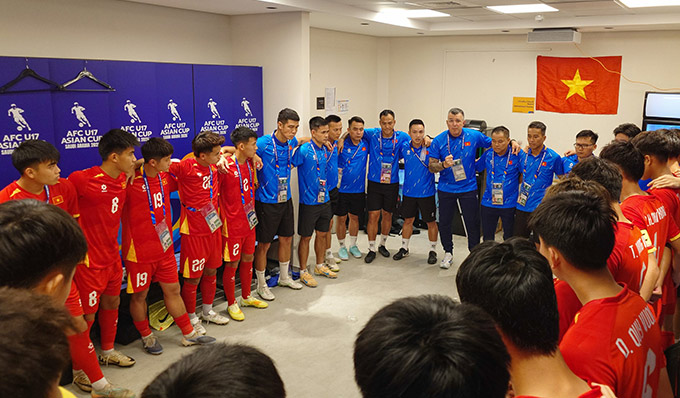
Ngoài ra theo ông Lâm, HLV Roland cần tính đến những “quân bài tẩy”, có thể gây bất ngờ ở quãng sau của trận đấu. “Điều này rất cần thiết, bởi khi cầu thủ từ băng ghế dự bị được tung vào sân, họ ít nhất phải giữ vững thế trận trên sân, hoặc thậm chí tạo nên sự đột biến”, ông Dương Vũ Lâm đưa ra quan điểm.
Thực tế ở trận đấu với U17 Yemen, U17 Việt Nam đã thay đổi cục diện, khi cầu thủ Đậu Quang Hưng vào sân từ băng ghế dự bị. Kỹ năng đỡ bóng bước một tốt, khả năng đột phá và dứt điểm tốt của chàng trai quê Hà Tĩnh đã mang về chiến thắng quan trọng cho “Những chiến binh sao vàng”. Hiển nhiên, người hâm mộ nước nhà sẽ trông chờ kịch bản tương tự như vậy khi U17 Việt Nam đối đầu với U17 UAE, trong trận đấu quyết định tấm vé tới Qatar dự World Cup cuối năm nay.
Xem ĐỘC QUYỀN giải vô địch U17 nam châu Á, từ 1/5 đến 17/5 trên TV360 tại https://tv360.vn. Trải nghiệm mượt mà trên đa nền tảng, tua lại – xem lại, miễn phí data 4G/5G Viettel.
Thiên Minh • 12 giờ trước Tags: U17 Việt Nam Cristiano Roland U17 châu Á U17 World Cup Thông tin Toà soạn Tạp chí Điện tử Bóng Đá Tổng biên tập: Vũ Khắc Sơn Phó Tổng biên tập: Nguyễn Hà Thanh Địa chỉ: Tầng 6, Tòa nhà Licogi 13 Tower, 164 đường Khuất Duy Tiến, phường Thanh Xuân, Thành phố Hà Nội Tel: (84.24) 3554 1188 - (84.24) 3554 1199 Fax: (84.24) 3553 9898 Email: toasoan@bongdaplus.vn vanphong@bongdaplus.vn Thông tin Liên hệ Tạp chí Điện tử Bóng Đá Hotline: 0903 203 412 Email: tien.nguyen@giaminhmedia.vnĐịa chỉ liên hệ:
Tầng 6, Tòa nhà Licogi 13 Tower, 164 đường Khuất Duy Tiến, phường Thanh Xuân, Thành phố Hà Nội Đăng nhập hoặcEmail:
Mật khẩu:
Quên mật khẩu?
Bạn chưa có tài khoản? Đăng ký ngay